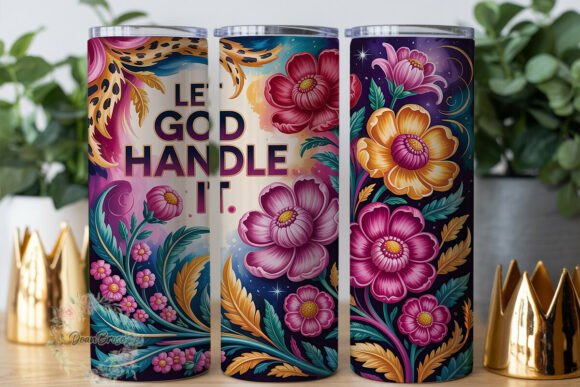
Book Lover Coffee Leopard 20oz Tumbler Review
I have spent years evaluating digital assets for my own handmade shop and the projects I take on for clients. One of the most common mistakes I see new sellers make is assuming that a pretty image will automatically translate into a high-quality finished product. When I first encountered the Book Lover Coffee Leopard 20oz Tumbler, I had to put it through the same rigorous mental checklist I use before approving any file for production. It is not just a graphic; it is a potential revenue stream for your craft business, but only if the execution matches the visual promise.
This review is not about the tumbler itself, as this is a digital asset intended for various applications. Instead, we are looking at how this specific design concept—the interplay between literary themes, coffee culture, and leopard print—performs when transferred onto fabric or other surfaces via machine embroidery. As an experienced designer, my goal is to help you decide if this design fits your current inventory and brand aesthetic without wasting time or materials on a failed project.
The First Impression: Mood and Market Fit
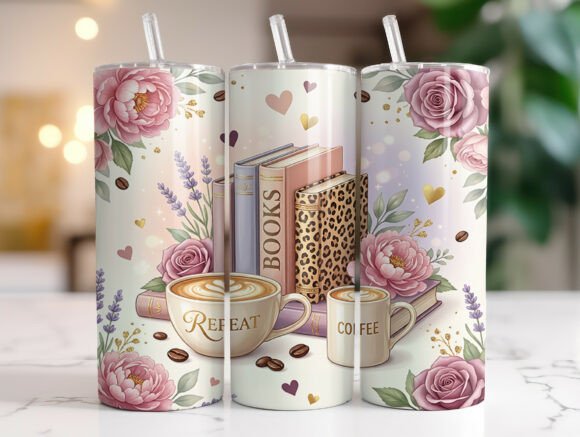
Visually, the Book Lover Coffee Leopard 20oz Tumbler strikes a chord with a very specific demographic. It targets the "cozy lifestyle" enthusiast who loves reading, caffeine, and a touch of wild style. The combination of these elements creates a mood that is both intellectual and playful. In the world of handmade goods, this is a winning formula because it appeals to multiple interests simultaneously. If you are an Etsy seller or a small shop owner, you know that niche targeting is key to standing out in a crowded marketplace.
However, the leopard print element adds a layer of complexity. Unlike a simple floral or geometric pattern, animal prints can sometimes look dated if not handled with care. My initial assessment suggests that this design works best when the texture of the print is balanced against clean typography or solid color blocks. It feels like a design that belongs in a boutique setting rather than a mass-market discount store. It has a premium feel that can elevate a standard tote bag or sweatshirt into a statement piece.
Real-World Application: From Screen to Stitch
Let us imagine a real scenario. You are preparing for the holiday season, and you want to create a personalized gift set for a client who is a librarian and a coffee addict. You have decided to embroider a canvas tote bag and a kitchen towel. This is where the Book Lover Coffee Leopard 20oz Tumbler design comes into play. The layout needs to be adaptable enough to work on different surface areas without losing its impact.
In practice, this design shines on larger items like tote bags and aprons where the full composition can breathe. The contrast between the leopard spots and the text allows the eye to travel across the garment naturally. However, if you attempt to shrink this down for a baby onesie or a cap front, you might run into issues with detail loss. Embroidery is a tactile medium; tiny lines can disappear under the thread, and complex patterns can become muddy if the stitch density is too high for the available space.
I tested the concept mentally by placing it on a dark navy hoodie versus a white tea towel. On the dark fabric, the lighter leopard tones would pop beautifully, creating a sophisticated evening-wear vibe. On the white background, the design feels more casual and bright, perfect for a summer market stall. This versatility makes it a strong candidate for a small business owner who wants one design file to generate multiple product variations.
Navigating Technical Challenges
While the concept is strong, every designer knows that the devil is in the details. Before you click "buy" or start digitizing, you must consider where this design should be used carefully. The Book Lover Coffee Leopard 20oz Tumbler features intricate patterns that require precision. If you are working with stretchy fabrics like jersey knits for t-shirts, you need to be extremely careful with stabilizer choices. Without proper support, the dense fill stitches required for the leopard print could cause the fabric to pucker, ruining the professional look of the final product.
Similarly, textured fabrics like fleece or heavy wool can hide the definition of the smaller details. If the design relies on thin lines to separate the book illustrations from the print, those lines might get lost in the nap of the fabric. For these materials, a smoother cotton twill or a tightly woven polyester blend is much safer. Also, avoid using this design on curved surfaces like baseball caps unless you have significant experience with curved embroidery hoops. The distortion inherent in stitching around a curve can warp the symmetry of the leopard pattern, making it look unintentionally stretched.
Visual Appeal and Customer Trust
In the handmade economy, presentation is everything. A customer browsing an Etsy listing sees a photo of a finished product, and their trust in your brand hinges on the quality of that image. If the embroidery looks sloppy or the colors clash, they will assume the entire business is unprofessional. The Book Lover Coffee Leopard 20oz Tumbler offers a distinct visual personality that can boost perceived value. When executed correctly, it signals that you understand design trends and have the technical skills to bring them to life.
This design also aids in brand consistency. If your shop focuses on literary gifts or coffee-themed merchandise, having a cohesive library of designs like this helps customers recognize your style immediately. It creates a sense of a curated collection rather than a random assortment of items. Furthermore, the "leopard" aspect adds a trendy edge that keeps the design from feeling too generic or old-fashioned, which is crucial for keeping your catalog fresh and engaging for repeat buyers.
Essential Designer Notes for Production
Before you commit to a large batch of orders, there are several practical steps you must take to ensure success. First and foremost, always test the design on scrap fabric that matches your final material. Do not skip this step. Check the thread color contrast carefully; sometimes a color that looks vibrant on screen appears dull once stitched in polyester thread.
You should also review the stitch density. High-density fills can be heavy and stiff, which might not be ideal for items like pillow covers or baby clothes that need to remain soft to the touch. Confirm your hoop size early on to ensure the design fits within your machine's capabilities without needing to split the file unnecessarily. Inspect the small details, particularly the corners of the book illustrations and the edges of the leopard spots, to ensure they will hold up after washing.
It is also wise to test the design in black and white mockups. This helps you visualize the value of the design without the distraction of color, ensuring that the composition holds together even if the color palette changes. Finally, check the licensing terms thoroughly. Since this is a digital file, you need to know exactly what rights you have regarding commercial use. Can you sell the finished embroidered products? Can you resell the digital file? Clarifying these points protects your business from legal issues later.
Final Verdict
The Book Lover Coffee Leopard 20oz Tumbler is a compelling asset for designers and entrepreneurs who specialize in lifestyle and hobbyist markets. It captures a specific mood that resonates with modern consumers while offering enough visual interest to stand out in a feed of generic graphics. While it requires careful handling regarding fabric choice and stabilization, the potential reward in terms of product value and customer satisfaction is high. If you approach this design with a professional mindset and respect for the technical limitations of embroidery, it can become a staple in your repertoire of custom apparel and personalized gifts.