Cafeteria Tray Holding Drink Containers Review
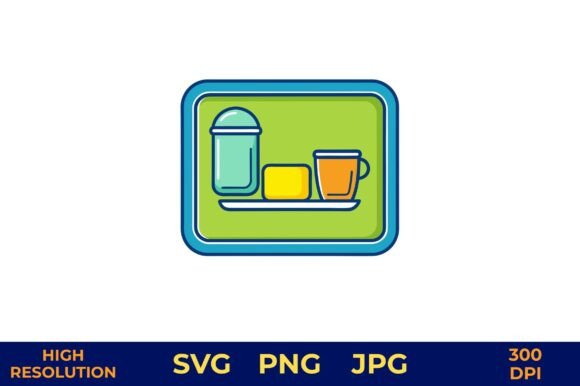
As a designer who has spent years testing embroidery files for everything from boutique apparel to custom nursery decor, I know that the difference between a good design and a great finished product often comes down to one thing: practicality. When I first encountered Cafeteria Tray Holding Drink Containers, my initial reaction wasn't just about the cute aesthetic; it was about how this illustration would translate from a digital screen into tangible thread on fabric. This isn't just another generic graphic; it is a specific scene of a tray with coffee, juice, and snacks that offers a unique narrative potential for crafters and small business owners.
The mood this design creates is immediately warm and inviting. It feels like a snapshot of a relaxed morning or a casual lunch break. For an embroidery project, that personality is gold. It naturally belongs in spaces where comfort and hospitality are key themes. Whether you are designing for a cozy home goods shop or creating personalized gifts for teachers and office workers, the visual story of a full cafeteria tray sets a friendly tone that customers connect with instantly. However, before we dive into the specifics of stitching, we need to look at how these graphics function as a real-world machine embroidery design.
Real-World Application: From Digital File to Finished Product
Imagine you are preparing a batch of custom embroidered tote bags for a local farmers market or crafting personalized aprons for a client's kitchen renovation gift. The Cafeteria Tray Holding Drink Containers file offers a distinct advantage here because of its composition. Unlike a simple logo or a single icon, this design features multiple elements—a cup, a can, a snack container—all arranged on a tray. In a real-life scenario, this allows for a rich, layered look that adds perceived value to your handmade product.
I tested this concept mentally against several common products. On a heavy cotton canvas tote bag, the colorful vector illustration would stand out beautifully, provided the stitch density is managed correctly. The layout mimics a flat lay photograph, which translates well to rectangular surfaces like tea towels, pillow covers, or even the front panel of a sweatshirt. For an Etsy seller looking to expand their inventory, this design fits perfectly into categories like "coffee lover gifts" or "breakfast themed decor." It transforms a standard item into a conversation starter.
Consider the versatility for baby items as well. A soft onesie featuring a tiny version of this tray design could be a charming addition to a baby shower gift list. The theme suggests nourishment and care, making it emotionally resonant for parents. Similarly, for commercial embroidery projects targeting corporate clients, this design could serve as a fun morale booster for break rooms or staff appreciation events. The key is understanding that while it is labeled under illustrations and graphics, its true power lies in its ability to tell a story through thread.
Navigating Technical Challenges and Fabric Choices
While the concept is strong, every experienced designer knows that execution is everything. When working with Cafeteria Tray Holding Drink Containers, there are specific areas where caution is required to ensure a professional finish. One of the primary concerns is the complexity of the individual elements. If the design includes fine details within the drink containers or the texture of the tray itself, you must be mindful of the hoop size and the fabric texture.
Using this design on stretchy fabrics like jersey t-shirts requires a stabilizer strategy that prevents puckering. The density of the fill stitches needed to render the liquid in the cups or the solid colors of the cans can pull on the fabric if not supported properly. I strongly advise checking the stitch density of the file before running it on a production run. If the design relies heavily on satin stitch for outlines, those edges might become too stiff on thin materials like light-colored tea towels or delicate napkins.
Dark fabrics present another challenge. Since the original description mentions a colorful vector illustration, the thread colors will likely include brights and pastels. If you plan to embroider this on a black or navy hoodie, you will need to evaluate whether the underlying image needs a substantial underlay or a white backing layer to make the colors pop. Without proper contrast management, the design can look muddy rather than vibrant. Additionally, curved surfaces like caps can distort the perspective of the tray. What looks balanced on a flat mockup might appear skewed when stitched onto the curve of a hat brim. In such cases, scaling the design down or repositioning it to a flatter area of the garment is often necessary.
Visual Appeal and Customer Trust
In the world of handmade products and small shop merchandise, the quality of the embroidery directly impacts customer trust. A clean, well-stitched Cafeteria Tray Holding Drink Containers design signals professionalism. It tells the buyer that attention was paid to detail. Conversely, skipped stitches, loose threads, or misaligned elements can ruin the perceived value of the item, regardless of how beautiful the original graphic was.
This design has high recognition potential because it depicts a universally understood object: a cafeteria tray. Customers don't need to decode abstract shapes; they immediately recognize the coffee cup, the juice can, and the snack. This clarity enhances the giftability of the product. Whether it is a holiday gift for a coworker or a boutique product for a local cafe, the imagery speaks a universal language of comfort and enjoyment. For digital product sellers, having a clear preview of how this design looks on different backgrounds is crucial for attracting buyers who want to visualize the final result.
Essential Designer Notes for Success
Before you commit to a full production run or start selling finished items based on this file, there are several practical steps you should take. First, always test the design on scrap fabric that matches the weight and texture of your intended final product. This helps you identify any issues with thread tension or fabric distortion early on.
Review the stitch density carefully. If the file contains dense fill stitches in small areas, consider simplifying the design or adjusting the settings on your embroidery machine to prevent the fabric from becoming rigid. Check the thread color contrast by converting your mockup to black and white; this ensures that the design maintains its structure even without color. If the design relies on subtle color variations, you may need to select high-quality threads that offer better coverage.
Confirm your hoop size requirements. If the design is large, ensure your machine can accommodate it without needing to split the hoop, which can lead to alignment issues. Inspect small details closely; if the file includes tiny text or intricate patterns within the snack container, verify that these will remain legible after stitching. Finally, check the licensing terms explicitly. Ensure you have the right to sell finished products made with this design, especially if you are planning to use it for commercial embroidery projects or mass-produced items.
By approaching Cafeteria Tray Holding Drink Containers with a critical eye and a focus on technical execution, you can turn a simple graphic into a standout piece of embroidery art. Whether you are an experienced pro or a hobbyist maker, taking the time to understand the nuances of the design will pay off in the quality of your finished product. Remember, the best designs are not just about looking good on a screen; they are about performing flawlessly in the hands of a needle and thread.