Mama Coquette Valentine Tumbler Wrap Review
As a designer who has spent years testing embroidery files for real-world production, I approach every new download with a mix of excitement and skepticism. The market is flooded with "instant" assets that look great on a screen but fall apart under the needle. Recently, I examined the Mama Coquette Valentine Tumbler Wrap, a digital graphic file designed to bridge the gap between printable mockups and actual stitching. My goal was not just to admire the aesthetic, but to determine if this design holds up when translated from a PNG into a tangible, stitched piece for a small business or a personal gift.
The First Impression: Mood and Visual Personality
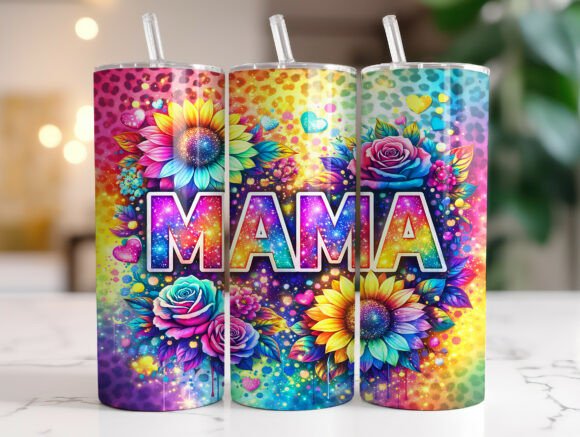
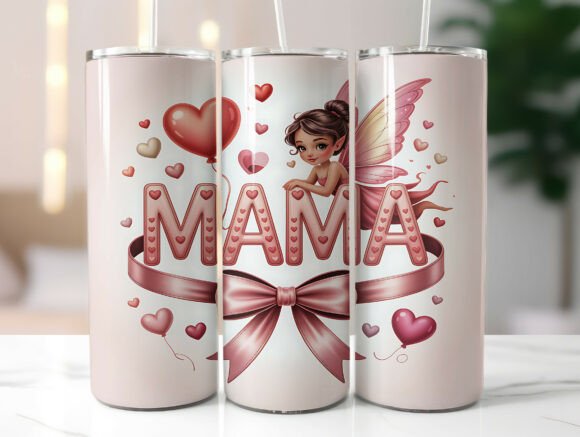
When you first open the Mama Coquette Valentine Tumbler Wrap, the immediate feeling is one of curated charm. It captures that specific "coquette" trend—soft, feminine, and slightly nostalgic—that has taken over social media feeds. Unlike generic heart designs, this file feels intentional. The layout suggests a tapered wrap, which implies it is meant to cover the curved surface of a tumbler or perhaps a cylindrical section of an apron. The 9.3×8.2 inch dimensions provide ample space for detail without feeling cluttered, a crucial factor for any embroidery project involving complex graphics.
The visual personality here is distinct. It leans towards high-end boutique branding rather than mass-produced craft fair items. For a seller looking to create a cohesive line of personalized gifts, this design offers a strong foundation. It screams "handmade with care," which is exactly what customers pay a premium for in the current market. However, the coquette style relies heavily on delicate lines and potential floral accents, which brings us to the critical question: how does this translate to thread?
Real-World Application: From Screen to Stitch
I put this design through a simulated workflow typical for an Etsy seller preparing holiday inventory. Imagine you are creating a custom tote bag design for a Valentine's Day pop-up shop. You want to pair the Mama Coquette Valentine Tumbler Wrap with a sturdy canvas tote. The challenge with Graphics like this is ensuring they don't get lost on textured fabric.
If you were to use this as a tumbler wrap on a stainless steel cup, the result would be sharp and clean. But the true test is on fabric. When applied to a sweatshirt or a baby onesie, the design needs to maintain its integrity. The file description notes a resolution of 300 DPI, which is excellent for print-to-stitch workflows. This means the edges should be crisp when digitized, provided the conversion process is handled correctly. In my experience, designs with this level of detail work best on stable fabrics like cotton twill or denim, where the stabilizer can support the weight of the stitches without distorting the shape.
Consider a scenario where you are making a set of matching kitchen towels for a wedding gift. The Mama Coquette Valentine Tumbler Wrap could serve as the focal point on the towel. The visual appeal here directly impacts customer trust; a well-executed stitch job signals professionalism. If the design looks sloppy or stretched, the perceived value of your handmade product drops immediately. Conversely, a clean execution elevates the item from a simple craft to a boutique-quality asset.
Where Caution is Required: Technical Limitations
While the design is charming, it is not a universal solution. As an experienced reviewer, I must highlight where this file requires careful handling. The primary concern lies in the complexity of the details. If the design features tiny lettering or intricate lace-like patterns, it may struggle on small hoop sizes. Small hoops often require tighter spacing, which can cause the fabric to pucker or the fine details to blur together.
Furthermore, the texture of the fabric plays a massive role. On thin fabrics or stretchy materials like jersey, a dense fill area might cause the material to pull or warp. If you plan to use this on a cap or a curved hat, the geometry of the wrap must be adjusted to fit the curvature, or the design will look distorted. The file is described as a straight design, which works perfectly for flat surfaces but requires significant adaptation for curved garments.
Another critical area to watch is dark fabric. While the file includes color information, the contrast between the thread colors and a black or navy background can sometimes wash out delicate pastel elements common in coquette aesthetics. You might find that you need to adjust your thread colors or add a light underlay to ensure the design pops. Additionally, products that undergo frequent washing, like aprons or baby clothes, demand robust stitching. If the stitch density is too high, the fabric may become stiff and uncomfortable after a few cycles. Always check the density before committing to a large run.
Impact on Brand and Commercial Value
For the Etsy seller or small shop owner, the choice of design asset is a strategic decision. Using a unique, mood-specific file like the Mama Coquette Valentine Tumbler Wrap helps establish a recognizable brand voice. It moves your shop away from generic offerings and toward a curated collection. When a customer sees a consistent aesthetic across their commercial embroidery projects, they are more likely to return.
This design also enhances the "giftability" of your products. A personalized item featuring a soft, romantic theme is inherently more appealing for holidays and special occasions. The professional presentation of the final product, achieved through careful digitization and stitching, reinforces buyer engagement. People buy the story behind the item, and a high-quality embroidery file tells a story of quality and attention to detail.
Practical Designer Notes for Execution
Before you rush to load this file into your machine, there are essential steps to ensure success. First and foremost, always test the design on scrap fabric first. Do not cut into your final material until you have verified the stitch-out. Check the thread color contrast against your intended background to avoid muddy results. Review the stitch density closely; if areas look too heavy, consider reducing the fill percentage or switching to a lighter touch.
Confirm your hoop size matches the design dimensions. The 9.3×8.2 inch footprint is substantial, so ensure your machine can accommodate it without cutting off parts of the image. Inspect small details under magnification to see if any lines are too thin to hold up during stitching. It is also wise to test the design in black and white mockups to verify that the composition holds together even without color cues.
Finally, do not overlook the licensing terms. Since this is a digital embroidery file intended for commercial use, you must confirm whether you are allowed to sell finished items made from this design. Some licenses restrict the number of units sold or require attribution. Use proper stabilizer appropriate for your fabric type to prevent shifting. Whether you are creating a custom apparel line or a batch of holiday embroidery gifts, taking these precautions ensures that your finished product meets the high standards your customers expect.
In conclusion, the Mama Coquette Valentine Tumbler Wrap is a versatile and aesthetically pleasing asset for those willing to put in the technical legwork. It fits perfectly into the niche of boutique handmade goods, offering a distinct look that resonates with modern trends. With careful planning regarding fabric choice, stabilizer usage, and digitization settings, it can elevate your craft business and deliver a polished result that customers will love.