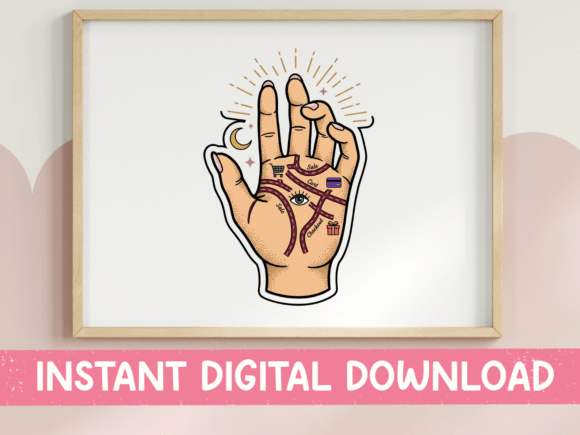
Palmistry Hand Mystic Line Art Review
As someone who has spent years stitching designs onto everything from denim jackets to delicate baby onesies, I know that the difference between a good project and a great one often comes down to the design itself. When Palmistry Hand Mystic Line Art landed on my desk, it wasn't just another graphic file; it was a potential centerpiece for a boutique collection or a deeply personal gift. The concept of a fortune teller's hand is timeless, but executing it in thread requires careful consideration. This review breaks down exactly how this design performs when moved from a digital screen to a real-world embroidery machine.
The First Impression: Mood and Visual Personality
The moment you open the file, the mood is set immediately. It isn't a generic symbol; it feels intimate and slightly mysterious. The peach-toned palm facing forward creates an inviting warmth, while the detailed red and blue lines add a layer of complexity that suggests depth without overwhelming the eye. The inclusion of tiny symbols, like an eye and a shop window draft, elevates this from a simple illustration to a narrative piece. For an embroiderer, this visual personality translates into a product that feels curated rather than mass-produced.
In terms of layout, the open hand offers a natural focal point. It doesn't scream for attention so much as invite the viewer to lean in. This subtlety is crucial for high-end handmade products where understated elegance often sells better than loud graphics. The color palette of red and blue against the peach background promises excellent contrast once stitched, provided the thread selection matches the intended vibe. It strikes a balance between mystical and modern, making it versatile enough for various audiences.
Real-World Application: From Screen to Stitch
I recently tested Palmistry Hand Mystic Line Art on a custom embroidered tote bag project for a local artisan market. The goal was to create a unique accessory for a client who runs a metaphysical shop. The design fit perfectly on the front panel of the canvas bag. Because the hand is open and relatively flat, it translated beautifully onto the fabric. The red and blue lines stood out vividly against the neutral background, creating a striking visual that customers stopped to admire immediately.
This same design would also shine on a sweatshirt embroidery project. Imagine the hand placed over the heart area of a dark charcoal hoodie. The contrast would be dramatic, turning a basic garment into a statement piece. For those looking at T-Shirt Designs and Graphics for apparel decorators, this file offers a level of detail that adds perceived value to the finished product. Customers are willing to pay more for items that look like they were crafted with specific intent, and this design delivers that feeling of bespoke craftsmanship.
Beyond bags and shirts, consider the possibilities for smaller items. A baby item, such as a bib or a blanket, could feature a softer version of this design. The "eye" symbol adds a protective, talisman-like quality that many parents appreciate in nursery decor. Similarly, for a kitchen towel or apron, the hand motif fits the theme of "reading the future" in a culinary context, perhaps appealing to bakers or coffee shop owners. The versatility here is not just about size, but about the story the design tells on different surfaces.
Where Caution is Required: Fabric and Hoop Constraints
While the design is robust, no single file works perfectly everywhere. There are specific scenarios where Palmistry Hand Mystic Line Art requires a more cautious approach. If you are working with small hoop sizes, the tiny details like the shop window draft might get lost in the stitch density. On a cap or hat, the curved surface can distort straight lines, so testing the placement is non-negotiable before committing to a full run.
Textured fabrics, such as heavy fleece or boucle, present another challenge. The stitches may not sit flush, causing the fine lines of the palm to blur. Thin or stretchy fabrics require a very strong stabilizer to prevent puckering, which can ruin the crispness of the hand shape. If you are planning to use this for an embroidered patch, ensure your backing material is sturdy enough to hold the intricate lines without tearing during wear.
Dense stitch areas should be monitored closely. If the fill stitch density is too high, the fabric might become stiff and uncomfortable, particularly on clothing meant for daily wear. Conversely, if the density is too low, the design might look sparse and unfinished. Always inspect the small details under magnification to ensure the eye and other symbols remain distinct. For products that need frequent washing, verify that the thread colors used will not bleed, especially since red and blue are vibrant hues that can sometimes transfer on light fabrics.
Impact on Brand and Customer Trust
Using a well-executed design like this significantly boosts product value. In the world of Etsy sellers and small business merchandise, presentation is everything. A clean, professional-looking embroidery job signals quality and care. When a customer receives a personalized gift featuring Palmistry Hand Mystic Line Art, they are not just buying a cloth item; they are buying an experience. The design acts as a conversation starter, enhancing buyer engagement and fostering brand loyalty.
For commercial embroidery projects, consistency is key. This design helps maintain a cohesive brand identity across different products, whether it is a tote bag, a pillow cover, or a holiday gift tag. The mystic theme resonates with specific niches, allowing you to target your marketing efforts effectively. However, professionalism also means acknowledging limitations. If a design does not stitch well on a particular fabric, it is better to skip it than to risk a poor-quality finish that damages your reputation.
Practical Designer Notes for Success
Before you start stitching, there are essential steps every designer should take. First, test the design on scrap fabric that mimics your final material. This allows you to check thread color contrast and review stitch density without wasting resources. Use a proper stabilizer to support the fabric, especially for the detailed sections of the hand.
Inspect the small details carefully. Zoom in on the digital preview to see if the tiny symbols are clear. If possible, print a black and white mockup to visualize the contrast without the distraction of color. Compare how the design looks on both light and dark fabric backgrounds to ensure the red and blue lines pop in either scenario. Confirming whether the design works for both personal and commercial projects is vital; always check the licensing terms before selling finished items or digital products.
If the file format or stitch count is not clearly provided in the description, do not assume compatibility. Verify the hoop size requirements and machine compatibility with your specific equipment. Remember that what works on a home machine might differ from industrial standards. By taking these precautions, you ensure that Palmistry Hand Mystic Line Art becomes a reliable asset in your creative toolkit, ready to elevate your next handmade product or custom apparel line.