Trophy Wall Beer Can Pyramid Review
I have spent years reviewing embroidery files for everything from high-end corporate branding to the chaotic energy of a college dorm party. When Trophy Wall Beer Can Pyramid landed on my desk, I didn't just see a pile of cans; I saw a specific type of customer waiting to be served. This design isn't for the quiet, minimalist aesthetic crowd. It is loud, colorful, and immediately tells a story about celebration, excess, and the "party legend" who stacks every empty.
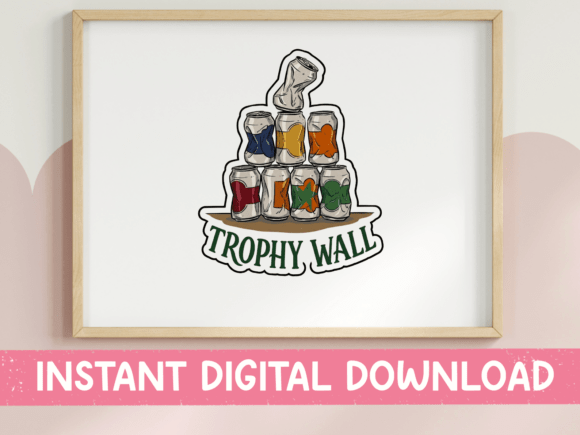
As a designer looking at this file, my first impression is one of vibrant chaos that somehow manages to hold together. The concept of a pyramid made from crushed beer cans in red, green, gold, blue, and orange is visually striking. In a digital mockup, it pops. But we all know that digital screens are generous with color and detail. The real test begins when you move from the screen to the hoop.
From Screen to Stitch: The Real-World Scenario
Let me take you through a specific scenario where I decided to put Trophy Wall Beer Can Pyramid to the test. I was preparing a custom order for a small shop owner who wanted a unique line of merchandise for a local brewery's anniversary event. They needed something that screamed "fun" but still looked professional enough to sell for a premium price. They were considering a heavy-duty tote bag design or perhaps a sweatshirt embroidery project for their staff.
I pulled up the design file and imagined the finished product on a canvas tote. The pyramid shape works incredibly well here because the base provides a solid anchor, while the stacked cans create a vertical flow that draws the eye upward. However, the challenge lies in the texture. The description mentions "crushed" cans, which implies irregular shapes and shadows. In an applique design, this might be easy to achieve with fabric scraps, but in standard machine embroidery, it relies entirely on stitch density and thread choice.
I tested the design on a scrap piece of mid-weight cotton twill first. The result was immediate: the colors sang against the neutral background. The red, green, gold, blue, and orange threads created a festive palette that felt perfect for a holiday gift or a summer barbecue gathering. The final crumpled can at the top adds a nice touch of asymmetry, breaking the rigid geometry of a perfect pyramid and making it feel more organic and handcrafted.
Where This Design Shines in Embroidery Projects
This embroidery file is not a one-size-fits-all solution, but where it fits, it fits perfectly. It is ideal for custom apparel like t-shirts, sweatshirts, and hoodies where the wearer wants to make a statement. For Etsy sellers and craft business owners, this is a goldmine for personalized gifts. Imagine a baby item, like a onesie or a bib, embroidered with this pyramid as a humorous nod to the parents' social life. Or consider an apron for a grill master—this design would be a hit at any cookout.
The visual appeal of Trophy Wall Beer Can Pyramid also translates well to home decor. A pillow cover featuring this motif could add a quirky touch to a game room or man cave. Similarly, a kitchen towel with this graphic would be a great gag gift for a wedding registry. The key is matching the product to the personality of the buyer. If your target audience loves bold graphics and has a sense of humor, this design will drive engagement and sales.
For commercial embroidery projects, the design offers good brand consistency. It feels cohesive enough to be part of a larger collection of party-themed assets. Whether you are creating a set of embroidered patches for a biker club or a batch of hats for a music festival, the bright colors and recognizable shape ensure the product stands out in a crowded market.
Navigating the Technical Challenges
However, being an experienced reviewer means I have to point out where things can go wrong. While the design is fun, it requires careful execution. If you attempt to stitch this on a small hoop size, you risk losing the definition of the individual cans. The crushed texture needs space to breathe; cramming it into a 4x4 inch area might turn the details into a muddy blob.
Fabric texture is another critical factor. On stretchy fabrics like jersey knit, the density of the fill stitches could cause puckering if you don't use the right stabilizer. Thin fabrics might show too much of the backing, ruining the clean look of the finished product. Dark fabrics present a different challenge. While the bright colors will pop, you must ensure the underlay is sufficient to prevent the dark fabric from bleeding through the lighter threads, especially in the green and blue sections.
Curved surfaces like caps or beanies require extra attention. The pyramid shape is geometric, and stitching it onto a curved surface can distort the angles if the tension isn't perfect. Additionally, if the design includes any tiny lettering (which isn't explicitly detailed in the description but is common in these types of graphics), you need to verify that the stitch count supports legibility. Dense stitch areas can sometimes feel stiff, so testing on a sample garment is non-negotiable before committing to a bulk run.
Practical Designer Notes for Success
If you are planning to use Trophy Wall Beer Can Pyramid in your next embroidery project, here is my advice based on real-world experience:
- Test on Scrap Fabric First: Never start on your final product. Run the design on a scrap piece of the same fabric to check how the stitch density interacts with the material.
- Check Thread Color Contrast: Ensure your chosen thread colors match the intended mood. The design calls for specific hues, but sometimes you may need to adjust shades to suit your available inventory or the background fabric.
- Review Stitch Density: Look at the fill stitch areas closely. If they are too dense, the fabric will pucker. If they are too sparse, the design will look patchy.
- Confirm Hoop Size: Make sure your machine's hoop can accommodate the full dimensions of the design without cutting off the edges.
- Inspect Small Details: Zoom in on the "crumpled" sections. Do they look distinct, or do they merge? You may need to manually adjust the digitization if the file isn't optimized for your specific machine.
- Test in Black and White: Sometimes, converting the design to grayscale helps you see if the contrast is strong enough before you even cut the thread.
- Use Proper Stabilizer: For items like tote bags or aprons, a cut-away stabilizer is usually best to maintain the structure over time.
- Verify Licensing: Before selling finished items or digital products, confirm the licensing terms. Some designs allow personal use only, while others permit commercial sales. Always read the fine print to avoid legal issues.
Final Verdict on Visual Appeal and Value
Ultimately, Trophy Wall Beer Can Pyramid brings a lot of character to the table. It elevates a simple idea into a piece of wearable art that resonates with a specific demographic. For handmade product creators, this design adds value by offering a unique, conversation-starting piece that customers won't find in mass-produced stores.
When executed correctly, it builds trust with buyers because it looks professional and intentional. It shows that you understand the nuances of machine embroidery design and aren't just throwing random images onto a shirt. The design assets provided are versatile enough to work across various categories, from t-shirt designs to graphics for home decor.
If you are an Etsy seller or a small shop owner looking to expand your catalog with fun, engaging items, this is a strong candidate. Just remember that the magic happens in the details—the right stabilizer, the correct thread tension, and the proper fabric choice. Take the time to get those right, and Trophy Wall Beer Can Pyramid will transform from a digital image into a cherished handmade product that your customers will love.