Vintage Microphone Music Badge
If the stage is where you feel most alive, this retro microphone badge is your kind of design. As someone who has spent years testing embroidery files for everything from boutique t-shirts to delicate baby onesies, I often find myself drawn to designs that capture a specific mood instantly. When I first loaded the Vintage Microphone Music Badge into my digitizing software, the visual personality hit me immediately. It isn't just a graphic; it feels like a memory of a late-night jazz club or a vintage rock-and-roll tour.
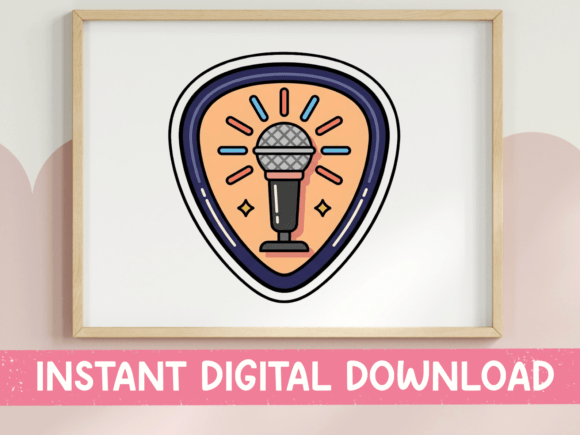
The composition features a silver ball-top mic on a slim red stand nestled inside a peach guitar-pick shape with a navy outline. This combination creates a warm, inviting aesthetic that stands out against both light and dark backgrounds. For an embroidery designer, the color palette is particularly smart. The contrast between the peach pick, the deep navy border, and the metallic silver suggests a high-end finish without requiring overly complex shading techniques that might bog down the stitching process.
From Digital File to Finished Product
I recently put this machine embroidery design to the test while preparing a custom order for a local music teacher's gift shop. The client wanted a series of embroidered patches and tote bags celebrating her students' performances. She specifically asked for something that felt nostalgic but modern enough for today's Etsy marketplace. The Vintage Microphone Music Badge was the perfect candidate.
When I stitched the design onto a heavy cotton canvas for a tote bag, the results were impressive. The satin stitch used for the microphone body gave it a sleek, shiny appearance that mimics real metal, while the fill stitch in the guitar pick provided a soft, textured look. The navy outline acted as a strong frame, preventing the lighter peach tones from getting lost on the fabric. Customers browsing the finished products would likely appreciate how clean the edges are, which is crucial for building trust in handmade goods. A sloppy outline can make even the best concept look amateurish, but here, the structure holds up well under scrutiny.
This design also excels when applied to apparel. Imagine a crewneck sweatshirt for a band member or a personalized gift for a karaoke enthusiast. The central placement of the badge works beautifully on the chest area, offering a subtle nod to the wearer's passion without being overwhelming. The guitar pick shape naturally draws the eye, making it an excellent focal point for custom apparel. Whether you are selling these items at a craft fair or listing them as part of a small shop product line, the design conveys a sense of authenticity that resonates with buyers looking for unique, creative entrepreneur items.
Where to Use and Where to Pause
While the Vintage Microphone Music Badge is versatile, every embroidery file has its limitations. One of the first things I check before starting a project is the hoop size relative to the design details. If you attempt to stitch this on a very small hoop, such as those used for wrist cuffs or tiny baby booties, the fine lines of the navy outline and the thinness of the microphone stand might get lost. In tight spaces, the threads can crowd each other, leading to a muddy appearance where the distinct colors blend unintentionally.
Fabric texture plays a significant role as well. While the design looks fantastic on sturdy materials like denim, canvas, or twill, I would advise caution when using it on stretchy fabrics like jersey knit unless you have stabilized it perfectly. Stretchy materials can distort the geometric precision of the guitar pick shape, causing the straight lines of the stand to wobble after washing. Similarly, on extremely thin fabrics like silk or sheer polyester, the density of the stitches required to hold the shape might cause puckering. Always use a proper stabilizer and consider a tear-away or cut-away backing depending on the final garment's drape.
Dense stitch areas are another consideration. The silver ball of the microphone requires a high thread count to achieve that metallic sheen. If the machine tension is slightly off, or if the thread quality is poor, you might see gaps or uneven coverage. This is why I always recommend testing the design on scrap fabric first. You need to ensure that the thread colors pop as intended and that the stitch density doesn't create a stiff, uncomfortable patch on the back of the shirt.
Practical Tips for Designers and Sellers
For those of you running a craft business or selling on platforms like Etsy, presentation matters. Before you finalize your digital product previews, try converting the design to black and white. This simple step helps you visualize how the shapes will read without the influence of color. If the silhouette of the guitar pick and microphone remains clear in grayscale, you know the design has strong structural integrity.
When creating mockups for your listings, think about the context. Does this applique design (if converted) work better as a standalone patch or integrated into a larger scene? Sometimes, adding a few scattered notes or stars around the main badge can enhance the visual appeal without cluttering the design. However, be careful not to overcomplicate the layout, as the strength of the Vintage Microphone Music Badge lies in its simplicity and bold statement.
If you plan to sell finished products featuring this design, confirm the licensing terms associated with the embroidery file. Some designers allow commercial use only on a limited number of units, while others offer unlimited rights. Understanding these rules protects your reputation as a professional and ensures you avoid legal issues later. Also, inspect the small details closely. The tip of the microphone stand and the curve of the pick should be crisp. Any jagged edges or loose threads can detract from the perceived value of your handmade product.
Finally, consider the durability of the finished item. Since this design includes a mix of satin and fill stitches, it should withstand regular washing, provided it was executed correctly. However, if the product is intended for frequent wear and tear, like a child's play apron or a kitchen towel, double-check the stability of the outer edges. A reinforced border can help prevent fraying and keep the design looking fresh wash after wash.
In conclusion, the Vintage Microphone Music Badge is more than just a pretty picture; it is a functional tool for any designer looking to add a touch of retro charm to their collection. Its balanced composition and vibrant yet classic color scheme make it suitable for a wide range of projects, from holiday gifts to boutique branding. By paying attention to fabric choice, stabilization, and stitch quality, you can transform this digital asset into a tangible piece of art that customers will love. Whether you are creating a one-off personalized gift or scaling up production for a commercial embroidery project, this design offers a solid foundation for success.
Remember, the best embroidery project starts with the right design and ends with meticulous execution. Take the time to review the specifications, test your setup, and let the creativity flow. With the Vintage Microphone Music Badge, you have a design that speaks the language of music lovers everywhere, ready to be stitched into reality.