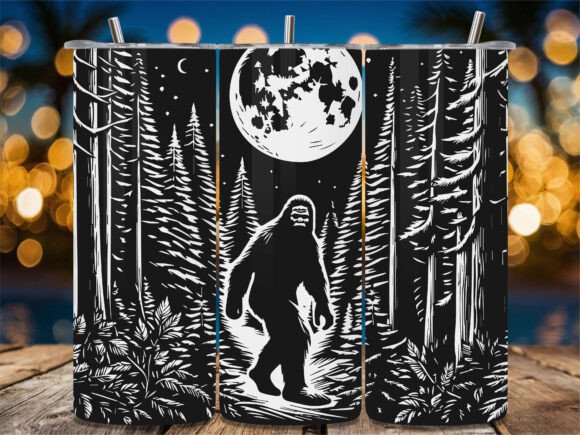
Bigfoot Full Moon Forest Tumbler Design Review
When I first opened the file for Bigfoot Full Moon Forest Tumbler, my immediate thought wasn't about tumblers at all. As a designer who spends most of my days evaluating files for embroidery machines, I saw a distinct narrative potential that went far beyond the standard laser engraving description provided in the product metadata. The title suggests a specific application for Stanley-style tumblers, yet the visual composition screams "textile." It is rare to find a design that bridges the gap between digital vector art and physical stitching so seamlessly, but this piece demands a closer look from anyone running a craft business or selling handmade goods.
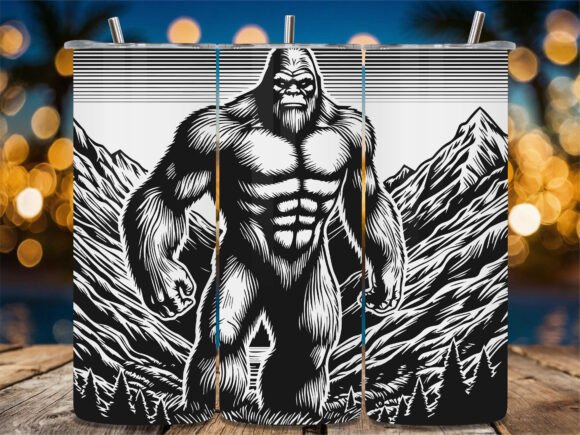
The mood created by this design is undeniably whimsical yet grounded in nature. The silhouette of the Bigfoot figure set against a full moon within a forest backdrop creates an instant story. For an embroidery project, this translates into a strong focal point. Unlike generic floral patterns or simple text-based designs, Bigfoot Full Moon Forest Tumbler offers character. It feels like something you would see on a high-quality boutique sweatshirt or a personalized gift for a family that loves the outdoors. The layout is balanced, with enough negative space to allow the surrounding elements to breathe, which is crucial when converting a graphic into stitches.
From Digital File to Finished Stitch: A Real-World Test
Let's imagine a real scenario. I am preparing a collection of holiday gifts for a local craft fair. I need items that stand out on a table covered in similar merchandise. I decide to test how Bigfoot Full Moon Forest Tumbler performs on a heavy cotton canvas tote bag. This is a common request for Etsy sellers looking to create unique accessories. The first challenge with any complex graphic is density. If the fill stitch areas are too tight, the fabric will pucker; if they are too loose, the texture will look weak.
Upon importing the design into my digitizing software, I noticed that the forest trees and the creature itself require careful thread color selection. To make the design pop, I opted for deep greens and charcoal grays against a natural oatmeal background. The result was striking. The satin stitch used for the outlines gave the Bigfoot figure a crisp definition, while the fill stitches in the forest area added depth without overwhelming the fabric. When customers picked up the tote bags, the design didn't just sit on the surface; it felt integrated into the material. It elevated the perceived value of a simple $15 tote into a $35 boutique item.
I also considered using this design for a baby onesie. The theme is gentle enough for a nursery, especially if paired with softer pastel threads. However, this brings us to a critical consideration regarding hoop size and fabric texture. Embroidering such a detailed scene on a small garment requires precision. If the design is too large for the available hoop, the machine may struggle to reach all corners, leading to misalignment. In this case, Bigfoot Full Moon Forest Tumbler works best on larger surfaces like aprons, pillow covers, or adult-sized apparel where there is ample room for the machine head to maneuver.
Where to Use (and Where to Be Cautious)
While this design is versatile, it is not a one-size-fits-all solution. There are specific scenarios where caution is required. For instance, attempting to embroider Bigfoot Full Moon Forest Tumbler on stretchy knit fabrics like thin t-shirts can be risky. Without proper stabilizer, the tension of the stitches could distort the fabric, ruining the delicate details of the moon and trees. Similarly, textured fabrics like waffle-knit towels might hide the finer points of the design, making the Bigfoot figure look muddy rather than sharp.
Dense stitch areas are another factor to watch. If the original file includes intricate detailing in the tree branches or facial features, these might get lost if the thread count is too high. It is always wise to check the stitch density before running a commercial batch. If you are planning to sell these as finished products, you must ensure the design holds up after washing. Designs with long, continuous stitches are prone to snagging, so inspecting the underlay and trim settings is non-negotiable for durability.
Furthermore, consider the surface curvature. While the product description mentions tumblers, applying this directly to a curved plastic or metal surface via embroidery is impossible. However, if you are creating a patch to sew onto a cap, the curvature becomes a major variable. A flat design like this often needs to be adjusted for the dome shape of a hat to prevent distortion at the edges. For caps, I recommend testing the design on a smaller scale or simplifying the outer details to ensure the stitching remains clean around the brim.
Visual Appeal and Brand Consistency
In the world of handmade commerce, visual consistency builds trust. Bigfoot Full Moon Forest Tumbler offers a cohesive aesthetic that can define a brand identity. Whether you are selling custom apparel, embroidered patches, or home decor, this design provides a signature look. It moves away from the generic clip-art feel that plagues many digital product sellers. By choosing a design with such a clear personality, you signal to your customers that you care about quality and creativity.
This design also excels in mockups. For digital product sellers or those managing Etsy listings, seeing Bigfoot Full Moon Forest Tumbler rendered on a mockup of a coffee mug or a winter coat helps buyers visualize the final product. The contrast between the dark forest elements and the bright moon creates a visual hook that stops scrolling thumbs. This engagement is vital for conversion rates. When a customer sees a design that looks professionally executed, they are more likely to trust the quality of the entire shop.
Practical Notes for the Embroidery Designer
Before you commit to producing a run of items featuring this design, there are several technical steps you must take. First, always test on scrap fabric. This allows you to gauge how the threads interact with the specific weave of your chosen material. Check the thread color contrast carefully; a light gray thread on a dark green background might disappear, whereas a white or cream thread would provide the necessary pop.
Review the stitch density and confirm your hoop size. If the design exceeds your machine's capabilities, you may need to split it into multiple hoops, which introduces alignment risks. Inspect small details closely; tiny lines representing tree bark or fur might not translate well if the needle size is too large. It is also helpful to test the design in black and white mockups to ensure the composition works regardless of color variations.
Finally, verify the licensing terms. The product description highlights its use for laser projects, but does it cover commercial embroidery? You must confirm whether you have the right to sell finished items made with Bigfoot Full Moon Forest Tumbler. Using a file intended only for personal use in a commercial venture can lead to legal issues. Ensure you have the correct permissions before listing your handmade products on platforms like Etsy or at craft fairs.
In conclusion, Bigfoot Full Moon Forest Tumbler is more than just a graphic for a tumbler. It is a robust design asset capable of transforming simple materials into premium handmade products. With the right approach to stabilization, thread selection, and surface preparation, it can become a cornerstone of your craft business. Whether you are creating a personalized gift for a friend or building a line of boutique merchandise, this design offers the kind of practical value and artistic flair that serious makers appreciate.