Strong Bigfoot Mountain Tumbler Review
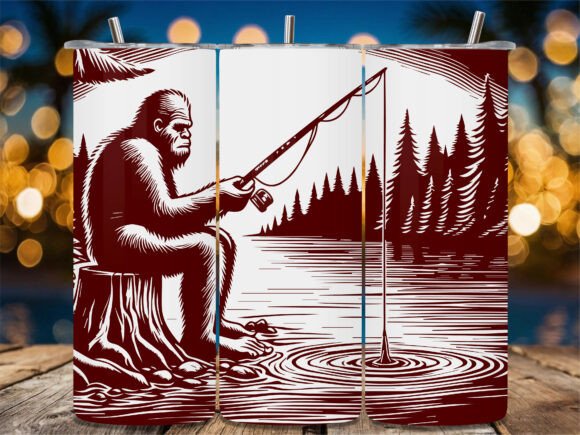
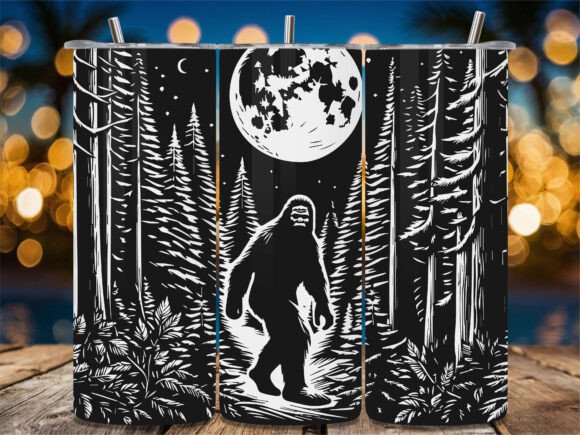
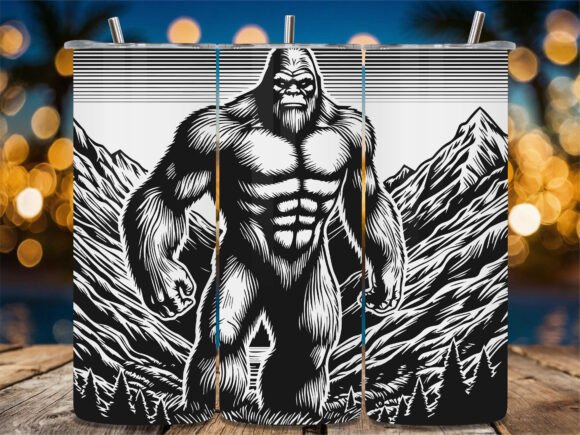
When I first opened the file for Strong Bigfoot Mountain Tumbler, my initial reaction was a mix of curiosity and practical skepticism. As someone who has spent years evaluating digital assets for real-world production, I know that a catchy title often masks a design that is either too delicate or poorly structured for actual stitching. This product sits in the Crafts category under Graphics, but its potential application extends far beyond simple decoration. The concept of combining a rugged mountain silhouette with a cryptid theme suggests a design meant to evoke outdoor adventure, local lore, and a touch of whimsy.
The description mentions this is an "Engraving Laser Tumbler Wrap" designed for Stanley-style tumblers. While the primary intent seems to be laser engraving on hard surfaces, many of us in the embroidery community are constantly looking for designs that can translate across mediums. Can this specific layout work as a machine embroidery design? Would it hold up on a sweatshirt or a tote bag? To answer these questions, I decided to run a mental simulation based on how this design would perform in a real production environment.
First Impressions and Design Personality
The visual personality of Strong Bigfoot Mountain Tumbler feels grounded yet adventurous. It avoids the overly cartoony look that often plagues generic cryptozoology designs. Instead, the shape and layout suggest a bold statement piece. For an embroidery project, the mood is crucial. A design like this naturally belongs on items that celebrate the outdoors: a heavy-duty apron for a camp cook, a durable tote bag for hiking gear, or perhaps a cozy throw pillow for a cabin living room. The strong lines and clear separation between the mountain peaks and the creature imply a high level of detail that could translate beautifully into satin stitch, provided the digitization accounts for fabric texture.
In terms of layout, the wrap-around nature of the file suggests it is designed to follow a curve. In embroidery, this is where things get tricky. Flat surfaces like aprons or tote bags are forgiving, but if you attempt to adapt this full-wrap concept onto a curved surface like a cap or a cylindrical hat, the distortion can ruin the proportions. The design likely needs to be broken down or re-digitized specifically for curved applications to maintain the integrity of the Bigfoot figure and the mountain range behind it.
Real-World Application Scenarios
Let's imagine a specific scenario: You are an Etsy seller preparing a batch of custom gifts for a local craft fair. Your customer wants a personalized gift for their nephew who loves camping and Bigfoot legends. You decide to use Strong Bigfoot Mountain Tumbler on a canvas tote bag. This is a classic choice for handmade products because canvas holds stitches well and provides a neutral background that lets the thread colors pop.
If you were to stitch this onto a tote bag, the visual appeal would be immediate. The contrast between the dark mountain silhouette and a lighter thread color for the Bigfoot outline could create a striking effect. However, you must consider the stitch density. If the original file was optimized for laser engraving, the fill areas might be too dense for standard embroidery threads, potentially causing puckering on the canvas. In this case, the finished product might look professional at first glance but could suffer from stiffness or distortion after the first wash.
Consider another use case: a holiday gift. Imagine a family reunion where everyone receives a matching embroidered patch or a small kitchen towel featuring this design. The theme fits perfectly with a rustic, holiday gathering vibe. The design acts as a conversation starter, much like a branded boutique item. When customers see a cohesive design like Strong Bigfoot Mountain Tumbler applied to multiple items, it builds brand consistency. It signals that the maker cares about the aesthetic details, not just the functionality. This attention to detail increases buyer engagement and trust in your handmade shop.
Navigating Technical Challenges
While the concept is strong, there are specific areas where Strong Bigfoot Mountain Tumbler requires careful handling. One of the biggest pitfalls in embroidery is working with small hoop sizes. If the design contains intricate details in the corners of the mountain range or fine text elements, a small hoop might force you to trim the design too aggressively, losing the character of the artwork. Always check the recommended hoop size before committing to a project.
Fabric texture plays a massive role here. On a smooth, tightly woven cotton, the design will likely render sharply. However, on a textured fabric like a thick fleece sweatshirt or a chunky knit blanket, the details might get lost. The thread might not lay flat against the bumps of the fabric, leading to a muddy appearance. Similarly, stretchy fabrics like jersey t-shirts require a stabilizer that matches the stretch of the garment. If you use a standard tear-away stabilizer on a stretchy tee, the design could distort as the fabric moves.
Dense stitch areas are another concern. If the design relies heavily on fill stitches to create the shadow of the mountains, ensure that the underlying fabric can support the weight of the thread. Without proper stabilizer, the fabric may pucker around the dense areas, making the finished product look unprofessional. This is particularly important for commercial embroidery projects where quality control is paramount. A puckered design on a $30 hoodie can lead to returns and damaged reputation.
Practical Designer Notes for Success
Before you load this file into your machine, there are several steps you should take to ensure a successful outcome. First and foremost, test the design on scrap fabric. This is non-negotiable. Run a sample on the exact type of fabric you intend to use, including the same stabilizer and thread colors you plan to use for the final product. This step allows you to spot issues with thread tension or stitch density before you invest time in a customer's order.
Review the stitch density carefully. If the file is originally intended for laser engraving, the vector paths might not translate directly to optimal embroidery stitches. You may need to adjust the satin stitch width or the fill pattern to accommodate the thickness of embroidery thread. Check whether the design works for both personal and commercial projects by reviewing the licensing terms. Many digital files have restrictions on how many finished items you can sell, so confirm these details to avoid legal issues.
Thread color selection is also critical. A black-on-black design might look sleek in a mockup but can disappear completely on a dark fabric without a contrasting underlay. Test your thread choices in black and white mockups to ensure the contrast is sufficient. Also, inspect small details closely. Tiny lettering or thin lines in the mountain range might not survive the washing process if they are too fine. Consider simplifying these elements slightly if you plan to produce items that will be washed frequently.
Final Verdict on Visual Appeal and Value
Ultimately, Strong Bigfoot Mountain Tumbler offers a unique opportunity for creative entrepreneurs to add a distinctive touch to their inventory. When executed correctly, it elevates the perceived value of a handmade product. It transforms a simple tote bag or sweatshirt into a statement piece that tells a story. The design's ability to blend natural landscapes with folklore creates a sense of place and identity that resonates with buyers.
However, success depends on your technical skill and preparation. By understanding the limitations of the file format and adapting it to the realities of embroidery—such as fabric behavior and stitch mechanics—you can deliver a finished product that meets professional standards. Whether you are creating a personalized gift for a friend or launching a line of boutique branding for your small shop, this design asset has the potential to stand out. Just remember to prioritize testing, stabilize properly, and always verify the licensing before selling any commercial goods derived from this graphics package.