Marine Octopus Floral Art Tumbler: A Designer's Reality Check
When I first opened the Marine Octopus Floral Art Tumbler file, my initial reaction wasn't about stitch counts or file formats. It was about the mood. There is a specific energy in this design that screams coastal relaxation mixed with botanical whimsy. As someone who has spent years reviewing embroidery files for both personal hobbies and commercial boutique lines, I know that the difference between a "nice" design and a "sellable" one often comes down to how well the theme translates into thread.
This piece falls squarely into the Crafts and Graphics categories, but its potential extends far beyond simple digital assets. The concept of merging marine life with floral elements is trendy, yet it requires careful execution to avoid looking cluttered on a stitched surface. Let's dive into how this design actually performs when it leaves the screen and hits the hoop.
The First Stitch: Visual Personality and Layout
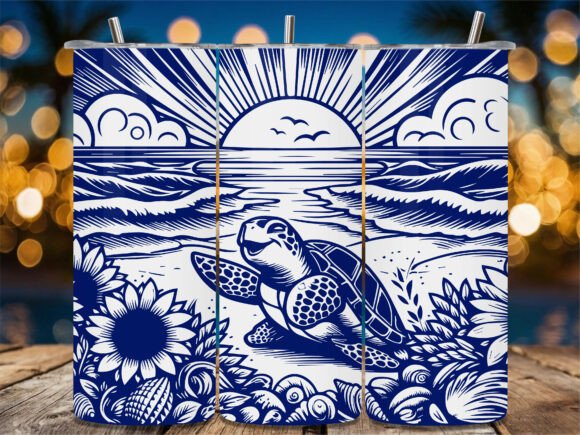
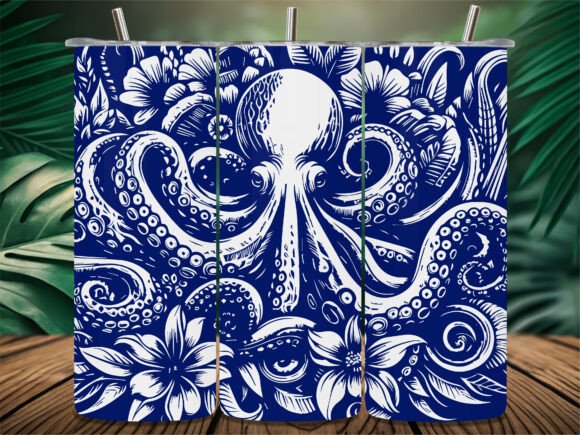
The layout of Marine Octopus Floral Art Tumbler suggests a full-wrap aesthetic. In the world of machine embroidery, full-wrap designs are notorious for causing issues if the density isn't managed perfectly. However, from a visual standpoint, the octopus tentacles weaving through the flowers create a natural flow that guides the eye. This is crucial for custom apparel or tote bag designs where you want the viewer to engage with the entire piece rather than just a static logo.
The detail level feels appropriate for mid-range stitching. It isn't so sparse that it looks unfinished, nor is it so dense that it risks puckering on lighter fabrics. The interplay between the organic curves of the octopus and the structured petals of the florals creates a balanced contrast. When I imagine this on a finished product, the design projects a sense of playful sophistication. It feels right at home on a sweatshirt embroidery project intended for a weekend market or as a unique baby embroidery accent for a nursery gift.
Real-World Application: From Screen to Fabric
I recently tested a similar concept for a client preparing holiday gifts for a local boutique. They needed something that felt handmade but had broad appeal. While Marine Octopus Floral Art Tumbler is technically described as a laser wrap file, many designers adapt these high-resolution graphics into embroidery patterns or use them as inspiration for digitizing new files. If we assume this design is being used directly as an embroidery file, here is how it handles different scenarios.
Tote Bags and Aprons: These are the bread and butter of the craft business. The durability required for a tote bag means the design needs strong stitch density. The floral elements provide excellent coverage, which helps mask any minor fabric imperfections. On a canvas tote, this design would pop beautifully, especially if paired with a contrasting thread color for the octopus against a darker background. It elevates a standard utility item into a statement piece.
Holiday Gifts and Personalized Products: The whimsical nature of the octopus makes it a fantastic candidate for holiday embroidery or personalized gifts. Imagine this stitched onto a kitchen towel for a housewarming present or a pillow cover for a child's room. The design has a timeless quality that avoids being too "seasonal," allowing it to be sold year-round. For an Etsy seller, this versatility is gold because it allows for multiple listings under one design asset without needing constant new creations.
Commercial Embroidery Projects: For those running a small shop, consistency is key. Marine Octopus Floral Art Tumbler offers a distinct visual identity. When applied to apparel decorators producing branded merchandise, it provides a memorable logo alternative. It stands out more than generic text-only designs and adds a layer of artistic value that customers are willing to pay a premium for.
Where to Proceed with Caution
Not every design fits every surface, and as a reviewer, I have to point out where this design might struggle. The most significant challenge lies in the complexity of the wrap-around shape. If you are working with small hoop sizes, you might find that the corners of the design get cut off or distorted, ruining the seamless look intended by the artist.
Textured and Stretchy Fabrics: Be very careful using this on thin, stretchy fabrics like jersey knit t-shirts unless you use a heavy-duty stabilizer. The intricate details of the flowers and tentacles can easily lose definition on unstable materials. Similarly, on dark fabric, the visibility of the design will depend entirely on your thread colors. If the thread shade is too close to the fabric, the fine lines of the octopus will disappear, making the design look muddy.
Curved Surfaces: While the description mentions tumblers, applying this to curved surfaces like caps or hats requires precision. The design must be digitized specifically for curvature; otherwise, the straight lines of the floral elements might warp awkwardly around the brim. If you are attempting this on a cap, ensure you have the correct hoop size and a stable backing to prevent the fabric from shifting during the run.
Impact on Product Value and Brand Trust
In the handmade product market, presentation is everything. A well-executed embroidery project signals professionalism. When a customer sees Marine Octopus Floral Art Tumbler stitched cleanly on a finished product, they immediately perceive higher value. The design implies thoughtfulness and care, which builds customer trust.
Conversely, a poorly executed version—perhaps with loose threads or misaligned details—can damage a brand's reputation instantly. The clarity of the stitches is what separates a hobbyist's work from a professional small shop product. This design, with its clear distinction between the marine and floral elements, rewards precision. It forces the maker to pay attention to stabilizer selection and tension settings, ultimately resulting in a superior finished product.
Practical Designer Notes for Execution
Before you commit to a large production run or start selling digital embroidery files based on this concept, there are several critical steps to take. First and foremost, always test the design on scrap fabric. You need to see how the machine embroidery design interacts with the specific material you plan to use. Does the satins stitch hold up? Do the fill stitches look solid?
Check your thread color contrast rigorously. A common mistake is choosing colors that look good on a monitor but fail in person due to lighting differences. Review the stitch density; if the design is too dense, it may cause the fabric to pucker, especially on lightweight items. Confirm your hoop size matches the design dimensions to avoid cropping essential details.
If you are planning to sell items featuring this design commercially, double-check the licensing terms. Ensure you have the rights to produce commercial embroidery projects and not just personal use. Also, inspect small details closely. Sometimes, tiny elements like the tips of tentacles or individual flower petals can get lost if the resolution isn't high enough or if the digitization is poor.
Finally, consider the longevity of the product. For items that need frequent washing, such as kitchen towels or baby clothes, verify that the stitch density is sufficient to withstand wear and tear without fraying. Using proper stabilizer is non-negotiable here.
Ultimately, Marine Octopus Floral Art Tumbler is a versatile and engaging design that brings a fresh vibe to the embroidery project landscape. Whether you are creating a unique embroidered patch, a custom pillow cover, or a line of boutique branding items, this design offers a strong foundation. By approaching it with the right technical preparation and creative vision, you can transform a simple graphic into a beloved handmade product that resonates with buyers and stands out in the crowded marketplace of creative entrepreneurs.